How to Relax Before Sex? (Reduce Anxiety- 12 Techniques)
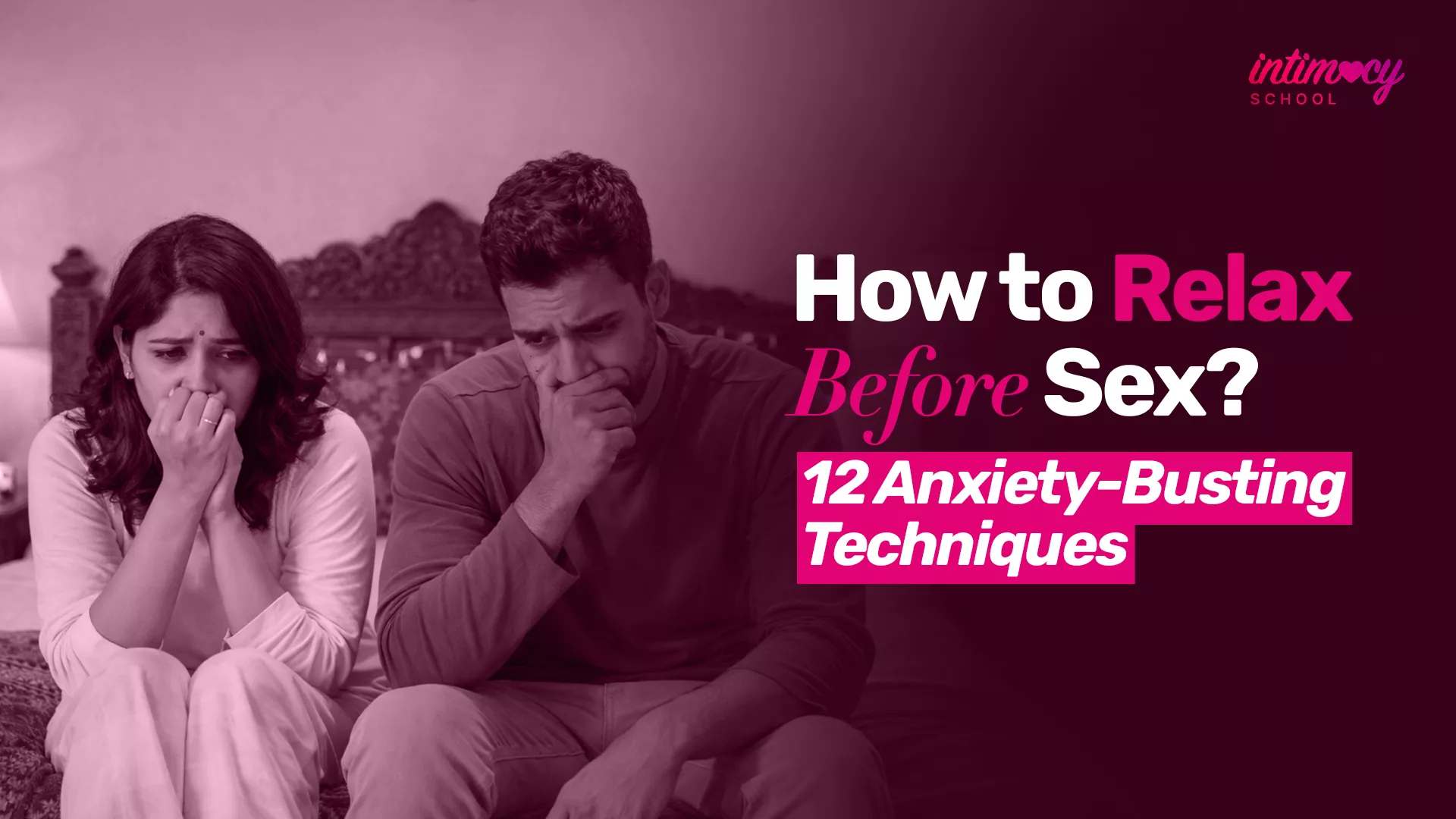
How to relax before sex? Get 12 proven techniques to reduce performance anxiety and feel comfortable. Intimacy School – Expert-backed methods.
Quick Answer
To relax before sex, use deep belly breathing (4 counts in, 6 counts out) to activate your parasympathetic nervous system, communicate your anxiety to your partner to reduce pressure, engage in 15-20 minutes of non-sexual physical touch first, avoid alcohol which worsens performance despite feeling relaxing, practice progressive muscle relaxation before intimate moments, and shift focus from performance to pleasure and connection. Most anxiety dissipates within 5-10 minutes when using these techniques consistently.
Introduction
Your heart is racing. Your mind is spinning with worst-case scenarios. You’re about to be intimate with your partner, but instead of feeling excited, you’re paralyzed with anxiety. Will you perform well? Will you last long enough? Will she enjoy it? What if something goes wrong?
Here’s what you need to understand about how to relax before sex: anxiety is the number one killer of sexual performance. The irony is cruel—you’re anxious about not performing well, and that anxiety itself destroys your ability to perform. It’s a self-fulfilling prophecy that traps thousands of men in cycles of sexual stress.
This guide gives you 12 proven techniques to relax before sex and break the anxiety cycle. These aren’t just “think positive” platitudes. They’re specific, actionable methods backed by psychology and physiology that actually work. Whether you’re dealing with first-time nerves, performance pressure, or ongoing anxiety, these techniques help you shift from stressed to relaxed so you can actually enjoy intimacy.
Understanding Performance Anxiety Before Sex
Before learning relaxation techniques, understand what’s actually happening in your body when you feel anxious about sex. This isn’t weakness or psychological failure—it’s basic biology working against you.
The Stress Response
When you’re anxious, your body activates the sympathetic nervous system (fight-or-flight response). This increases heart rate, tenses muscles, and redirects blood flow away from non-essential functions—including sexual arousal. Your body literally cannot be aroused and anxious simultaneously.
The cruel irony: anxiety about sexual performance triggers the exact physiological state that prevents sexual performance. Worrying about erectile dysfunction can cause temporary erectile dysfunction. Stressing about premature ejaculation increases the likelihood of premature ejaculation. The anxiety itself creates the problem.
The Mental Loop
Performance anxiety creates a mental trap. You had one bad experience (finished too quickly, couldn’t maintain erection, felt disconnected). Now you worry about it happening again. This worry increases anxiety. The anxiety worsens performance. The worsened performance reinforces the worry. The cycle perpetuates itself.
Cultural Pressure in India
For Indian men, performance anxiety often intensifies due to lack of sex education, cultural shame around discussing sex, and intense pressure around proving masculinity through sexual performance. Arranged marriages add pressure of performing with someone you’re still getting to know emotionally. These cultural factors amplify biological anxiety.
Breaking the cycle requires addressing both the physical stress response and the mental worry patterns. The techniques below target both aspects systematically.
12 Techniques to Relax Before Sex
Physiological Calming Techniques (1-4)
1. Deep Belly Breathing (Box Breathing)
This is the single most effective immediate anxiety reducer. Deep breathing activates your parasympathetic nervous system (rest-and-digest), which directly counters the fight-or-flight response causing anxiety.
How to do it: Breathe in slowly through your nose for 4 counts, filling your belly (not chest). Hold for 4 counts. Exhale slowly through your mouth for 6 counts. Pause for 2 counts. Repeat 5-10 cycles. Your belly should expand on inhale, not your chest.
When to use it: Start 10-15 minutes before anticipated intimate time. Continue during foreplay if anxiety spikes. Use it the moment you notice anxious thoughts starting. This technique works within 2-3 minutes of consistent practice.
2. Progressive Muscle Relaxation
Anxiety creates unconscious muscle tension throughout your body, especially in shoulders, jaw, and pelvic floor. Deliberately tensing and releasing muscles teaches your body how to relax on command.
How to do it: Starting with your toes, tense the muscles as hard as you can for 5 seconds, then release completely for 10 seconds. Move up through calves, thighs, glutes, stomach, chest, arms, shoulders, neck, jaw, and face. The whole sequence takes 5-7 minutes.
When to use it: Practice this daily for two weeks so your body learns the relaxation response. Then use abbreviated version (just tension areas like shoulders and jaw) right before intimacy. Your body will automatically remember the relaxation pattern.
3. Cold Water Face Splash
This might sound too simple, but splashing cold water on your face triggers the mammalian dive reflex, which immediately slows heart rate and reduces anxiety. It’s a physiological shortcut to calm.
How to do it: Before intimacy, go to bathroom and splash genuinely cold water on your face 3-4 times. Hold cold, wet hands on your face for 10-15 seconds. Take deep breaths while doing this. The cold sensation interrupts anxiety spiral immediately.
When to use it: Use this technique when you feel overwhelming anxiety building. It provides immediate physiological reset. Follow it with deep breathing for sustained effect.
4. Physical Exercise Earlier in the Day
Moderate exercise 4-6 hours before anticipated intimacy reduces baseline anxiety levels and improves confidence. Exercise releases tension, burns stress hormones, and improves overall mood.
How to do it: 20-30 minutes of cardio (running, cycling, swimming) or strength training in the morning or afternoon. Not immediately before sex (you’ll be too tired), but earlier in the day to reduce overall anxiety levels.
When to use it: Make this regular practice on days you anticipate intimacy. The cumulative effect of regular exercise also reduces general anxiety, making you less prone to performance anxiety over time.
Mental Reframing Techniques (5-8)
5. Shift Focus from Performance to Connection
Most anxiety comes from treating sex as a performance test rather than shared intimacy. Reframing the purpose of sex from “performing well” to “connecting with partner” dramatically reduces pressure.
How to do it: Before intimacy, consciously remind yourself: “This is about connecting with her, not proving anything.” Focus on what you enjoy about being close to her—her smell, her sounds, her touch. Frame sex as shared pleasure, not solo performance.
Mental script: “I’m here to enjoy being with her and make her feel good. Whatever happens physically is okay because we’re together.” This reframe removes the performance pressure that creates anxiety.
6. Accept Imperfection Explicitly
Trying to have “perfect” sex creates enormous pressure. Explicitly accepting that awkwardness, quick finishes, or temporary erectile issues might happen removes the catastrophic thinking that fuels anxiety.
How to do it: Tell yourself (or even better, tell your partner): “We might laugh at something awkward. I might finish quicker than I want. That’s okay—we’re learning together.” Removing the requirement for perfection removes most anxiety.
Partner communication: Actually saying to your partner before sex “I’m a bit nervous, so if something doesn’t go perfectly, that’s okay” creates safety valve for anxiety. Most partners respond supportively, which immediately reduces pressure.
7. Use Positive Visualization
Anxiety involves imagining worst-case scenarios. Deliberately imagining positive scenarios creates competing neural pathways that reduce anxiety. This isn’t wishful thinking—it’s retraining your brain’s automatic patterns.
How to do it: 10 minutes before intimacy, close your eyes and vividly imagine sex going well—feeling relaxed, her responding positively, both enjoying the experience, staying present rather than worried. Include sensory details: what you see, hear, feel.
Why it works: Your brain cannot easily distinguish between vividly imagined experiences and real ones. Positive visualization creates neural patterns that compete with anxiety patterns, making relaxed sex more likely.
8. Challenge Catastrophic Thoughts
Anxiety involves catastrophizing: “If I don’t perform well, she’ll think I’m pathetic / she’ll leave me / I’m not a real man.” These thoughts are rarely based in reality. Challenging them reduces their power.
How to do it: When anxious thought appears (“What if I finish too quickly?”), ask: “Is this definitely true? Has this always happened? Even if it happens, what’s the actual realistic consequence?” Usually you’ll realize the catastrophic fear is unlikely and the real consequence is manageable.
Example reframe: “If I finish quickly, we can focus on her pleasure other ways” instead of “If I finish quickly, everything is ruined.” Reality-check your anxious thoughts rather than accepting them as truth.
Practical Preparation Techniques (9-12)
9. Create Predictable Routine
Uncertainty increases anxiety. Creating a predictable pre-sex routine reduces uncertainty and trains your body to associate certain activities with relaxed intimacy.
How to do it: Develop a consistent sequence: shower together, have tea while talking, dim lights, play specific music, start with massage. The routine signals “this is intimate time” without pressure of immediate performance. Your body learns to relax through association.
Why it works: Routines reduce cognitive load and create safety through predictability. Your nervous system calms when it knows what’s coming. The routine itself becomes an anxiety-reduction trigger over time.
10. Start with Non-Sexual Touch
Jumping straight to sexual activity intensifies performance pressure. Starting with 15-20 minutes of completely non-sexual physical touch (cuddling, massage, holding) builds comfort before sexual pressure enters.
How to do it: Explicitly agree: “Let’s just cuddle for 20 minutes with no expectation of it leading anywhere.” This removes pressure. Touch each other’s backs, arms, legs, face—anywhere that feels good without being sexual. Talk casually while touching.
Why it works: Non-sexual touch activates oxytocin (bonding hormone) and reduces cortisol (stress hormone). By the time you transition to sexual touch, your body is already calm and comfortable. The pressure hasn’t built up yet.
11. Communicate Your Anxiety to Your Partner
Hiding anxiety increases it. Speaking it out loud to your partner reduces its power and usually triggers supportive response that further reduces anxiety. Vulnerability builds intimacy.
How to do it: Before intimacy, say honestly: “I’m feeling nervous about this” or “I’m worried I might not last long.” Most partners respond with reassurance like “That’s okay, we’re doing this together” or “I’m nervous too.” The shared vulnerability reduces pressure for both.
What to avoid: Don’t communicate anxiety in the middle of sex when you’re already struggling. Communicate it beforehand to prevent the struggle.
12. Have a Backup Plan
Knowing you have alternatives if intercourse doesn’t work reduces the all-or-nothing pressure that creates anxiety. If penetrative sex isn’t working, you still have options.
How to do it: Before intimacy, mentally acknowledge: “If I can’t maintain erection or finish too quickly, I can pleasure her through oral, fingers, or toys. Sex doesn’t end when I finish—it ends when we’re both satisfied.” Having backup options removes catastrophic pressure.
Why it works: All-or-nothing thinking (“If intercourse doesn’t work, everything is ruined”) creates maximum anxiety. Multiple-option thinking (“We have many ways to enjoy intimacy”) creates safety and reduces pressure dramatically.
A routine that will help you remove anxiety before sex
30 Minutes Before: Preparation Phase
Engage in physical exercise earlier in the day if possible. As intimate time approaches, practice deep breathing for 5 minutes. Do progressive muscle relaxation focusing on shoulders, jaw, and pelvic floor. Visualize positive sexual experience for 3-5 minutes.
15 Minutes Before: Transition Phase
Take a warm shower to relax muscles. Splash cold water on face if anxiety is high. Use bathroom to empty bladder. Practice 2-3 more minutes of deep breathing. Remind yourself of reframes: focus on connection, accept imperfection, you have backup plans.
Starting Intimacy: Foundation Phase
Communicate any anxiety to partner briefly. Start with 15-20 minutes of non-sexual touch and conversation. Continue deep breathing if anxiety spikes. Focus entirely on present moment sensations rather than future worries about performance.
During Sex: Maintenance Phase
If anxiety spikes during sex, slow down or pause. Return to deep breathing for 30-60 seconds. Focus on sensations you’re actually experiencing, not thoughts about performance. If needed, use squeeze technique or change position to reset. Remember backup plan if intercourse isn’t working.
What Makes Anxiety Worse (Avoid These)
Alcohol Before Sex
Many men drink alcohol thinking it relaxes them for sex. While it reduces inhibitions initially, alcohol actually worsens sexual performance significantly. It impairs erections, reduces sensitivity, and delays orgasm (which sounds good but actually feels frustrating, not pleasurable). The anxiety returns stronger when you realize alcohol isn’t helping.
Caffeine Close to Intimate Time
Caffeine increases heart rate and anxiety. If you’re already prone to performance anxiety, coffee or tea 2-3 hours before sex intensifies the problem. If you anticipate intimacy in the evening, limit caffeine after lunch.
Pornography Before Partnered Sex
Some men watch porn before sex thinking it will help arousal. This typically backfires by creating unrealistic performance expectations and reducing sensitivity to real partner stimulation. Porn-induced expectations increase anxiety rather than reducing it.
Rushing into Sex
When you’re anxious, the temptation is to “get it over with” by rushing through foreplay. This intensifies anxiety and worsens performance. Counterintuitively, slowing down reduces anxiety more than rushing does.
Avoiding Intimacy Completely
While avoiding sex temporarily reduces immediate anxiety, it reinforces the fear long-term. Avoidance teaches your brain that sex is dangerous, which increases future anxiety. Breaking the avoidance cycle, using these relaxation techniques, is necessary for improvement.
Focusing on Penis Constantly
Obsessively monitoring your erection (“Is it still hard? Is it hard enough?”) increases anxiety and often causes the erection to fade. This hypervigilance is self-defeating. Focus on sensations throughout your body, not just genital monitoring.
Comparing to Past Performance or Others
“I used to last 15 minutes, why can’t I now?” or “Other guys don’t have this problem” creates shame and pressure. Every sexual encounter is unique. Comparing creates impossible standards that fuel anxiety.
For Different Anxiety Types
First-Time Anxiety
If you’re anxious about first-time sex, normalize that literally everyone is nervous their first time. Focus heavily on communication with partner about both being nervous. Use techniques 9-12 (preparation, non-sexual touch, communication, backup plan). Accept that first times are always awkward.
Performance Pressure from Partner Expectations
If your anxiety stems from feeling your partner expects certain performance, have direct conversation about this. Often, her expectations are more flexible than you imagine. Most partners prefer authentic connection over robotic performance. Communicate your feelings to discover her actual expectations versus your assumed ones.
Past Trauma or Negative Experiences
If your anxiety connects to past trauma, negative sexual experiences, or deep-seated shame, these techniques provide temporary relief but professional sex therapy may be needed to address root causes. Don’t hesitate to seek professional help for persistent anxiety with traumatic origins.
Anxiety in New Relationships
New relationship anxiety is normal—you’re still learning each other. Use communication technique (#11) heavily. Frame early sexual encounters as exploration rather than performance. Most new relationship anxiety dissipates after 3-5 intimate experiences once comfort builds.
Anxiety in Arranged Marriages
The unique pressure of arranged marriage intimacy—performing with someone you barely know emotionally—intensifies anxiety. Focus on building emotional intimacy alongside physical. Our arranged marriage intimacy guide addresses specific strategies for this situation. Don’t rush physical intimacy until emotional safety exists.
Long-Term Relationship Anxiety
If anxiety develops in established relationship, it often signals other relationship issues—communication breakdown, resentment, routine staleness. Address underlying relationship dynamics, not just sexual anxiety symptoms. Couples counseling might be valuable if anxiety persists despite relaxation techniques.
Combining Relaxation with Performance Techniques
Relaxation techniques work best when combined with actual performance improvement methods. You’re addressing both the anxiety (mental) and the skill (physical).
Physical Stamina Training
While learning to relax, simultaneously work on stamina through specific exercises. Our complete guide to lasting longer exercises provides physical training that builds genuine control, which reduces anxiety because you have actual skill improvement, not just mental calmness.
Arousal Control Practice
Practice edging and arousal awareness techniques during masturbation. Learning to recognize and control your arousal levels during solo practice removes uncertainty during partnered sex. Uncertainty feeds anxiety; mastery reduces it.
Understanding Female Pleasure
Much performance anxiety stems from uncertainty about whether you’re pleasing your partner. Learning specifically what women want sexually reduces this uncertainty. Read our comprehensive guide on what women actually want in bed to understand female pleasure beyond just intercourse duration.
Improving Foreplay Skills
Knowing you can pleasure her through foreplay even if intercourse doesn’t last long reduces performance pressure significantly. Master foreplay through our beginner’s foreplay guide, and you’ll have confidence in your ability to satisfy her regardless of intercourse duration.
Lifestyle Changes That Reduce Baseline Anxiety
Regular Exercise
Men who exercise regularly (3-4 times weekly) report significantly lower sexual performance anxiety. Exercise reduces overall stress hormones, improves confidence, enhances body image, and increases testosterone. All of these factors indirectly improve sexual confidence.
Quality Sleep
Sleep deprivation increases anxiety and worsens sexual performance. Prioritize 7-8 hours nightly, especially on days you anticipate intimacy. Well-rested men have better erections, more control, and lower anxiety.
Stress Management
General life stress (work, family, finances) directly affects sexual anxiety. Address overall stress through meditation, therapy, time management, or whatever methods work for you. Reducing general stress reduces sexual anxiety.
Limit Pornography
Heavy pornography use creates unrealistic performance expectations and can cause porn-induced erectile dysfunction. Reducing or eliminating porn often significantly improves real-life sexual confidence and performance.
Healthy Diet
Poor diet affects energy, mood, and sexual function. Focus on whole foods, adequate protein, healthy fats, and vegetables. You can also take vitamins & bold organics capsules to increase your stamina.
When Professional Help Is Needed
If you’ve practiced these relaxation techniques consistently for 2-3 months and still experience severe anxiety that prevents sexual activity, professional help is appropriate. Sex therapists specialize in performance anxiety and have additional tools beyond self-help techniques.
Consider therapy if anxiety is so severe it prevents attempting sex, causes panic attacks related to intimacy, stems from trauma requiring professional processing, or significantly impacts your relationship.
Seeking help isn’t failure—it’s smart problem-solving. Many men benefit enormously from just 6-10 sessions with a qualified sex therapist who can address specific anxiety patterns and provide personalized strategies.
Final Thoughts
Learning how to relax before sex transforms your intimate life from anxiety-driven performance pressure to genuinely enjoyable connection. These 12 techniques—deep breathing, progressive relaxation, mental reframing, practical preparation, and partner communication—address both the physiological stress response and the mental anxiety patterns that create sexual pressure.
The key is consistent practice. These techniques don’t work once and fix everything forever. They require regular use to become automatic responses. Practice deep breathing daily even when not having sex. Do progressive muscle relaxation regularly. Use positive visualization consistently. Build pre-sex routines that signal relaxation.
Remember that anxiety about sexual performance is incredibly common. You’re not broken, weird, or uniquely flawed. Most men experience performance anxiety at some point. The difference between men who overcome it and those who remain trapped is simply learning and applying effective relaxation and reframing techniques.
Start tonight with deep breathing practice. Just 5 minutes before sleep, practice the 4-6-2 breathing pattern. Tomorrow, add progressive muscle relaxation. Build your relaxation toolkit gradually until these responses become automatic when you need them.
Sexual anxiety diminishes when you shift focus from performing to connecting, accept imperfection as normal, communicate openly with your partner, and develop physical skills that create genuine confidence. Combine mental relaxation with physical skill improvement for maximum results.
Most importantly, be patient with yourself. Anxiety patterns developed over months or years won’t disappear in days. Give yourself 6-8 weeks of consistent technique practice. Track small improvements. Celebrate progress rather than expecting perfection.
Your intimate life can transform from stress-filled anxiety to relaxed connection. These techniques work when applied consistently. You’re capable of overcoming performance anxiety and experiencing sex the way it should be—enjoyable, connecting, and pressure-free.
Want the complete guide?
Ebooks and courses on this — Hindi & English, instant delivery.
Browse All EbooksAll content is trademarked & copyrighted. Unauthorized reproduction, distribution, or sale is illegal under Indian law. Strict legal action will be taken against violators.